


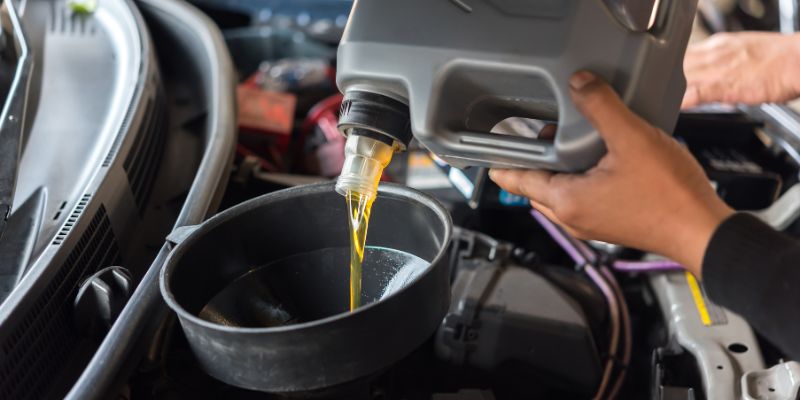
What Oil Should I Put in My Car?
Finding the answer to "what oil should I put in my car?" is actually simpler than it might first seem. To get the right answer immediately, you should look at your vehicle's owner’s manual, check the oil filler cap under the bonnet, or use an online registration look-up tool.
Every car engine is designed to work with a specific type of oil. Using the wrong one can lead to poor performance and, in some cases, expensive damage. At Sturgess of Leicester, we always recommend following your manufacturer's specific guidelines to keep your car running smoothly across Leicestershire.
Why Choosing the Right Engine Oil Matters
Your engine oil is essentially the lifeblood of your vehicle. It provides vital protection by lubricating the moving parts of the engine, preventing them from grinding together and wearing down.
When you use the correct oil, your car remains more fuel-efficient, saving you money at the pumps. It also helps to extend the overall lifespan of your engine. Choosing the right product is a small step that avoids the high costs of avoidable mechanical repairs later on.

The Different Types of Engine Oil Explained
When you are looking at what oil to put in your car, you will notice three main types on the shelf. Each one is designed for a different kind of engine or driving style.
Fully Synthetic Oil
This is the highest quality oil and is usually required for most modern engines. It is chemically engineered to be more stable, offering the best performance and protection, especially in very hot or very cold weather.
Semi-Synthetic Oil
As the name suggests, this is a blend of synthetic and mineral oils. It offers a good balance of cost and performance. It is often found in mid-range cars or older vehicles that still require a decent level of protection.
Mineral Oil
This is the most basic type of oil, made from refined crude oil. It is rarely used in modern cars but is sometimes suitable for much older vehicles or classic cars with simpler engine designs.
What Oil Grade Does My Car Need?
You will often see codes like "5W-30" on oil bottles. This refers to the "viscosity" or thickness of the oil. The first number (followed by a W for Winter) shows how well the oil flows in cold temperatures, while the second number shows how it flows at normal engine operating temperatures.
It is vital to get this right. If the oil is too thick, it won't circulate quickly enough when you start the car. If it is too thin, it might not provide enough protection when the engine is hot. Always stick to the grade recommended by your manufacturer.
How to Check What Oil Your Car Needs
If you are still wondering "what oil do I put in my car??," here are the best ways to find out for sure:
Check the owner’s manual: This is the most reliable source for your specific model.
Look under the bonnet: Some cars have the oil grade printed directly on the oil filler cap.
Use online tools: Many oil brand websites allow you to enter your number plate to find a match.
Ask a professional: If you are unsure, our team at Sturgess of Leicester is always happy to help.
Can I Use Any Engine Oil in My Car?
You can change or top up your own oil, but you cannot just use "any" oil. You must use the correct type and grade for your specific vehicle. If you use the wrong oil, you might notice:
Reduced engine performance: The car may feel sluggish.
Increased engine wear: Parts will rub together more than they should.
Lower fuel efficiency: Your engine has to work harder, using more petrol or diesel.
As long as you follow the manufacturer's recommendations, it is absolutely fine to top up your oil at home. However, for a full oil change, many drivers prefer the peace of mind that comes with professional car servicing.
When Should You Change Your Engine Oil?
Generally, you should have your oil changed every 6,000 to 12,000 miles, or at least once a year. However, this varies depending on the car and how you drive it. Keep an eye out for these signs that an oil change is needed:
Oil warning light: If this stays on, check your levels immediately.
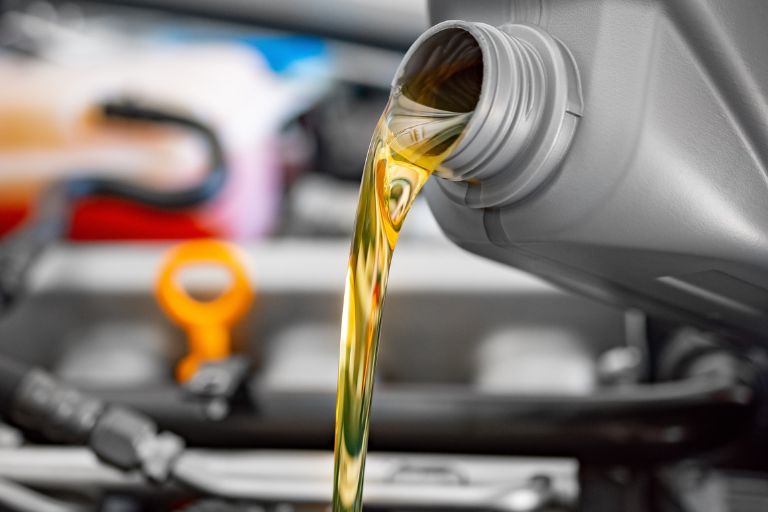
Dark or dirty oil: New oil is honey-coloured; old oil looks like black coffee.
Engine noise: Increased ticking or grinding sounds can mean the oil is too thin or old to lubricate properly.
Not Sure What Oil to Use? We Can Help
At Sturgess of Leicester, we have over 125 years of experience in the motor trade. Our reputation is built on trust, and our knowledgeable team is here to take the guesswork out of maintenance. Whether you are driving a brand-new model or looking for servicing for older cars, we can ensure the right fluids are used every time.
We offer low-cost servicing options and can even provide a Sturgess Service Plan to help you spread the cost of your regular maintenance. Every vehicle that visits us for work is handled with the same care and integrity that has defined our family business for a century.
FAQs
What oil should I put in my car?
You should only use the oil specified in your vehicle's handbook. This will usually be a specific grade, such as 0W-30 or 5W-40, and a specific type, such as fully synthetic.
Can I mix different engine oils?
It is not recommended. Mixing different brands is usually okay if they are the same grade, but mixing different viscosities or types (like mineral and synthetic) can reduce the oil's effectiveness.
Is 5W-30 oil suitable for my car?
It is a very common grade for many modern cars, but it isn't universal. Always check your manual before assuming it is the right engine oil for your car.
What happens if I use the wrong oil?
In the short term, you might see worse fuel economy. In the long term, it could lead to engine overheating or premature wear of vital components.
How do I check my engine oil level?
Ensure your car is on level ground and the engine is cool. Pull out the dipstick, wipe it clean, re-insert it, and pull it out again. The oil mark should be between the "min" and "max" indicators.
Book a Service with Sturgess of Leicester
If you are still asking yourself "what oil can I put in my car??" and want a guaranteed expert result, why not let us handle it for you? Our expert technicians in Anstey can carry out a professional oil change as part of a full service, ensuring your vehicle stays in top condition.
Contact our team today to book your service or get expert advice on your vehicle maintenance.
Please note that the information in this blog is intended as a general guide only and may not apply to every vehicle. Specifications, features, maintenance requirements, and recommendations can vary depending on your car’s make, model, age, and trim level, so we always recommend checking your vehicle handbook or speaking with a qualified automotive professional for advice specific to your vehicle.